Scenario-based learning
- Branching decisions
- Realistic consequences
- Role-based perspectives
- Workplace situations
- Adaptive feedback
- Non-linear pathways
Specialist depth · Articulate Storyline
I have used Articulate Storyline across regulated aviation and education learning for more than a decade, including six years inside Australia's aviation safety regulator. That depth is useful when the learning depends on decisions, consequence, practice, simulation or state — and when the result still needs to be maintainable after the interesting interaction has been built.
When Storyline earns its complexity
Storyline is useful when a learner needs to make a decision, practise a process, explore a consequence, work through a branching scenario or receive feedback that depends on what they did. The tool is not the starting point; the required behaviour is. If a simpler implementation can carry the learning, it should.
What I design and build
Technical depth
Variables and conditional logic, triggers, states and layers, SCORM and xAPI packaging, and LMS deployment are means to a reliable experience, not the proposition. The interaction and learning-data prototypes on this site test that technical depth outside a client brief so a pattern can be understood before it is needed under delivery pressure.
Experience across the Articulate ecosystem
Six years inside the Civil Aviation Safety Authority (2015–2021) included building and maintaining a reusable Storyline production system for the regulator's design team — a style manual, authoring templates, specified components with documented states, and an icon and step-marker library used across the Flight Examiner Rating programme and wider CASA learning work.
That production-system discipline carried forward: more than sixty Storyline courses were redeveloped to a shared architecture at Independent Schools Queensland while a platform migration was happening in the same engagement. I was also recognised as an Articulate eLearning Hero.
For one maintainability decision inside that system, read how I use Storyline slide masters and layouts.
Storyline modernisation
Long-lived course libraries accumulate assumptions. Modernisation starts by working out what an older project was built to do, then updating only what needs to change: accessibility, publishing, templates, interaction patterns or LMS compatibility rather than reflexively rebuilding the whole course.
Work to inspect
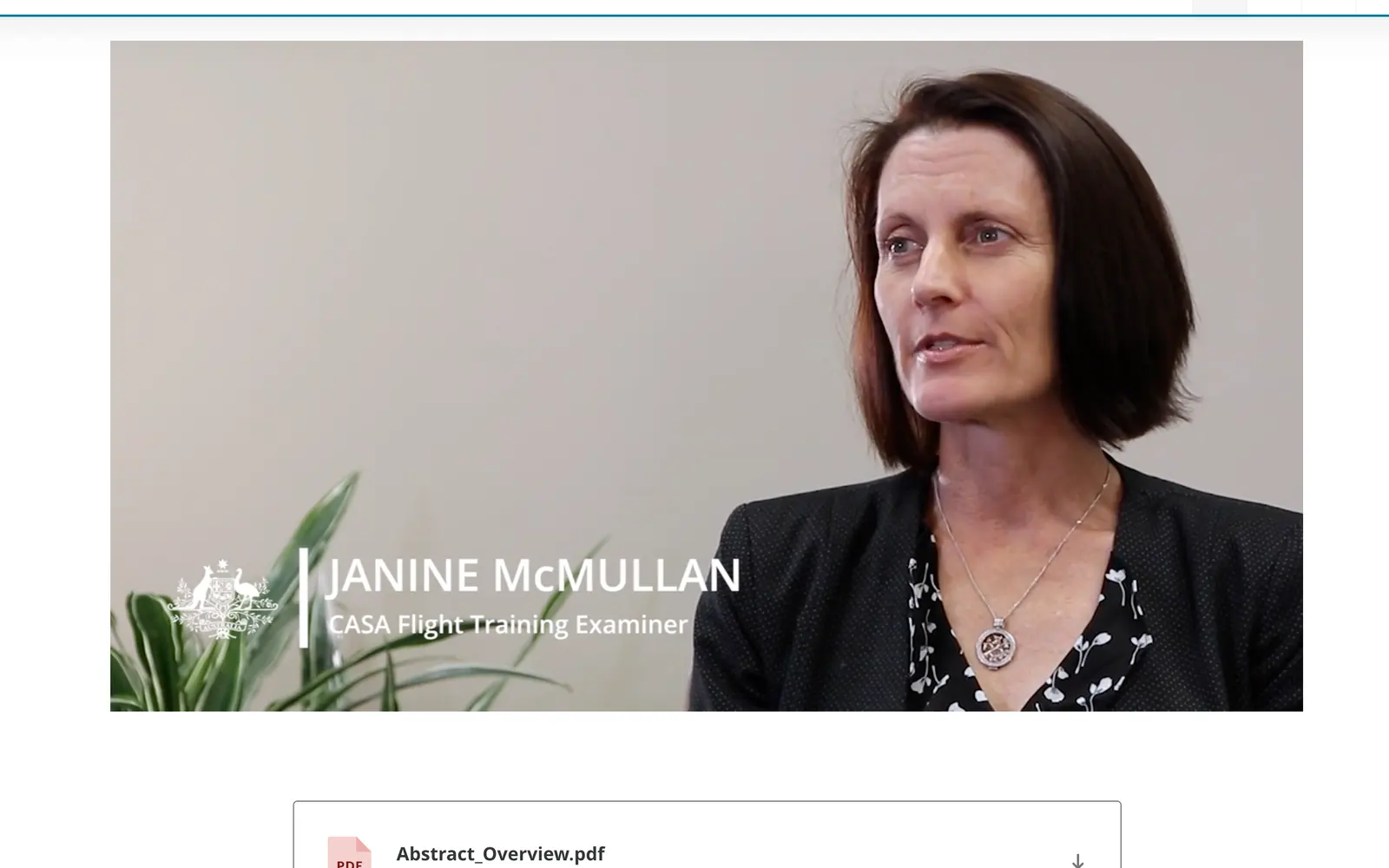
Flight Examiner RatingCivil Aviation Safety AuthorityGovernment · aviation
The national Flight Examiner Rating course and professional development program, for air transport, helicopter and general aviation examiners.
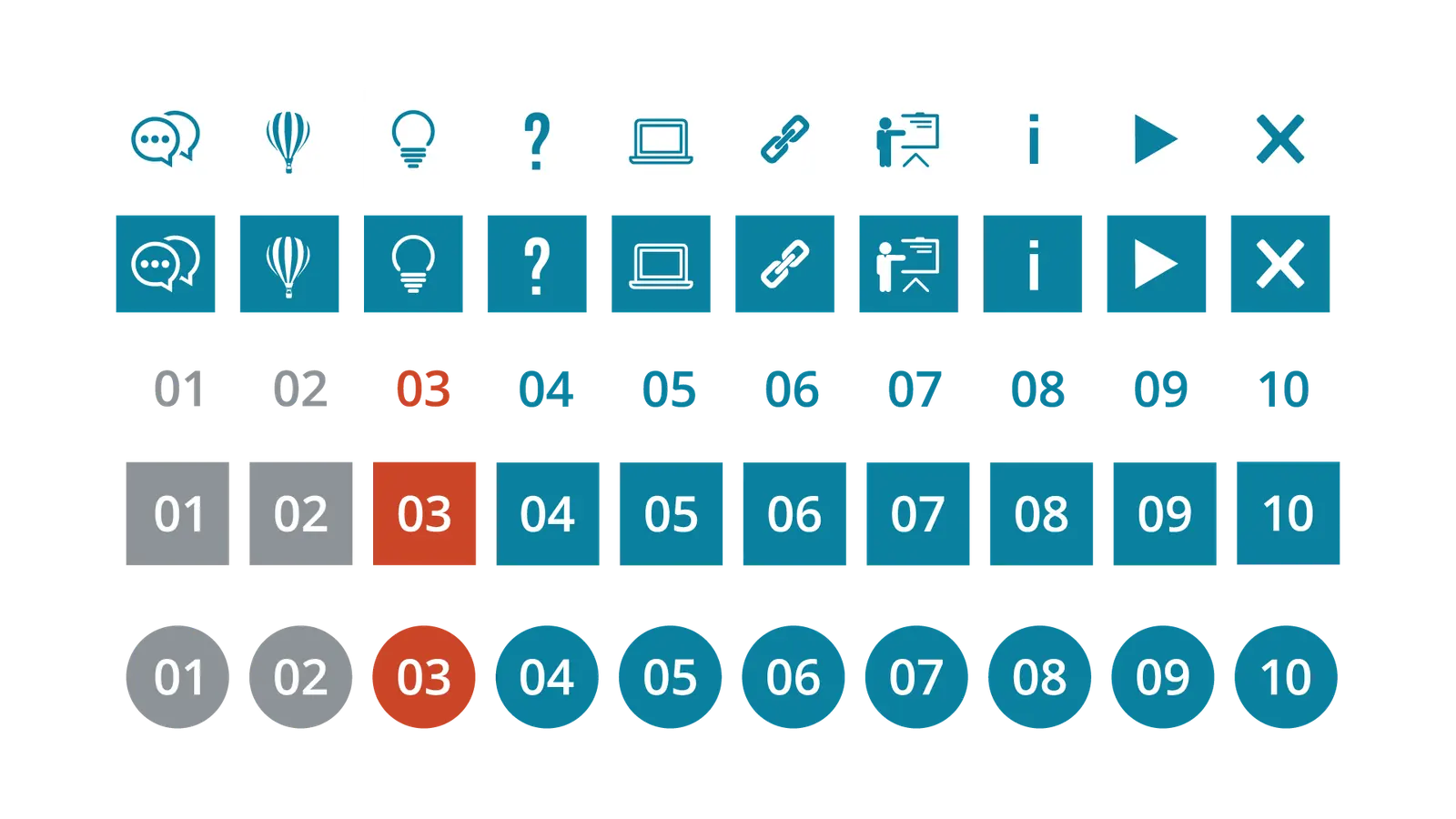
Storyline production systemCivil Aviation Safety AuthorityGovernment · aviation
The style manual, templates, component specifications and asset libraries that let several designers produce work that looked like one program.
Cornerstone → ISQ-hosted Moodle
Connect & LearnIndependent Schools QueenslandEducation
Moving an entire professional learning estate off Cornerstone while more than sixty Storyline courses were redeveloped around it, inside a single term.
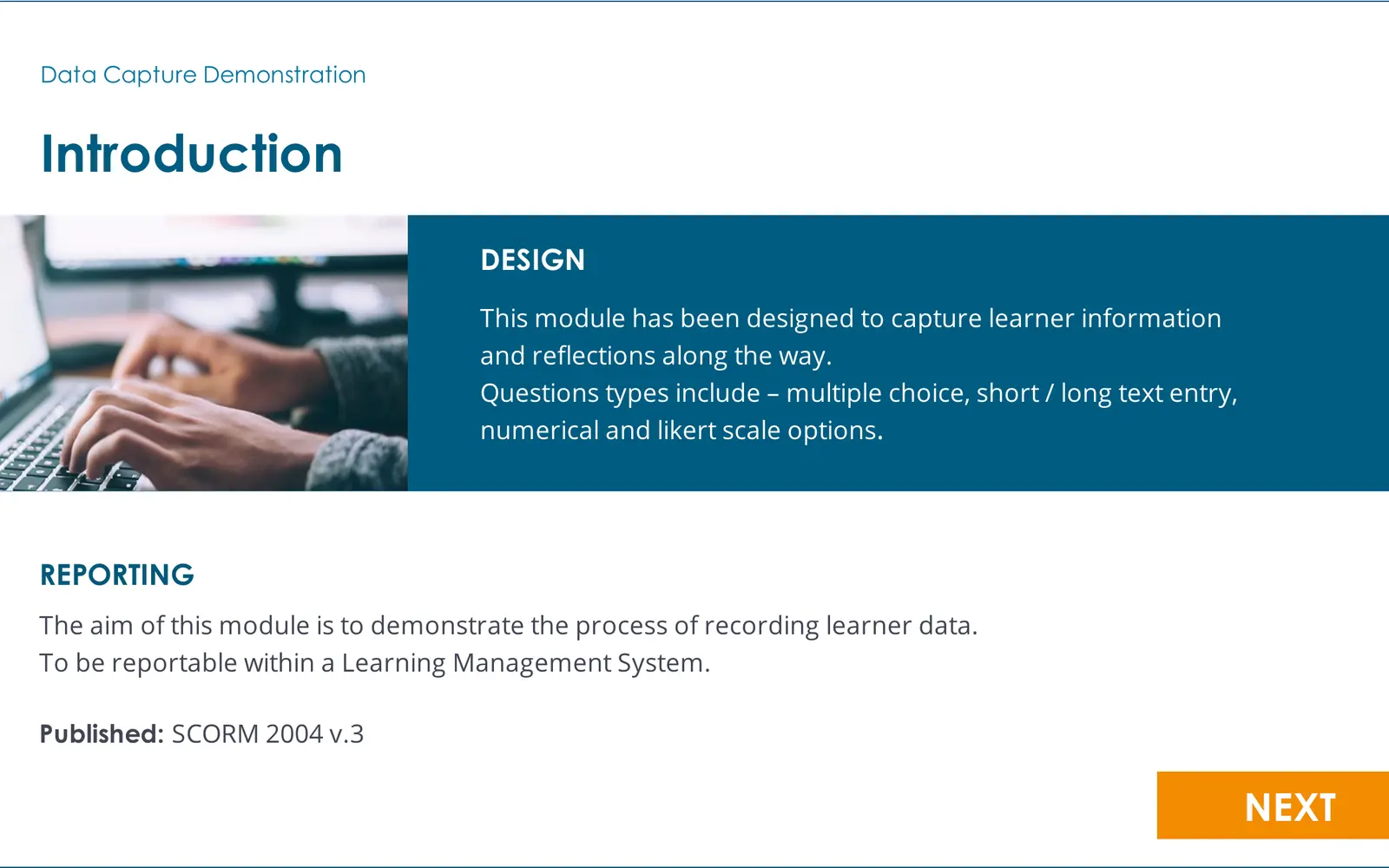
Interaction and learning-data prototypesSelf-directedResearch and development
Self-directed prototypes testing what a course can capture, report and navigate. Working demonstrations rather than client deliverables.
Two of these belong to the same six-year engagement. See the wider CASA work
I can help determine whether Storyline is warranted, shape the learning approach, prototype the interaction and build a maintainable implementation ready for deployment.
Discuss a Storyline project